Imagine logging into a platform where every comment feels personal, every member knows your name, and conversations actually matter. That’s the magic of a truly authentic community—and it’s possible even in 2025’s noisy digital world.


Imagine logging into a platform where every comment feels personal, every member knows your name, and conversations actually matter. That’s the magic of a truly authentic community—and it’s possible even in 2025’s noisy digital world.
Dealing with a Google Pixel device stuck in an endless restart cycle can be frustrating. Many users panic and immediately consider a factory reset, which means losing all their precious data. However, there are several effective methods to resolve this issue without wiping your device. At Hawaii Web Studio, we understand how critical it is to maintain your data while fixing technical problems. This comprehensive guide will walk you through various solutions to get your Pixel phone back to normal operation.
Discover the best free AI image generator without login I experienced. Create stunning visuals instantly from text prompts. No sign-up needed. Tools like Image FX shine bright.
Ren’Py stands as one of the most popular visual novel engines available today. Thousands of developers use it to create interactive stories and games. However, even experienced creators sometimes encounter variable-related problems that can disrupt gameplay or development. Resources like Very Nice Game provide valuable guidance for navigating these technical challenges.
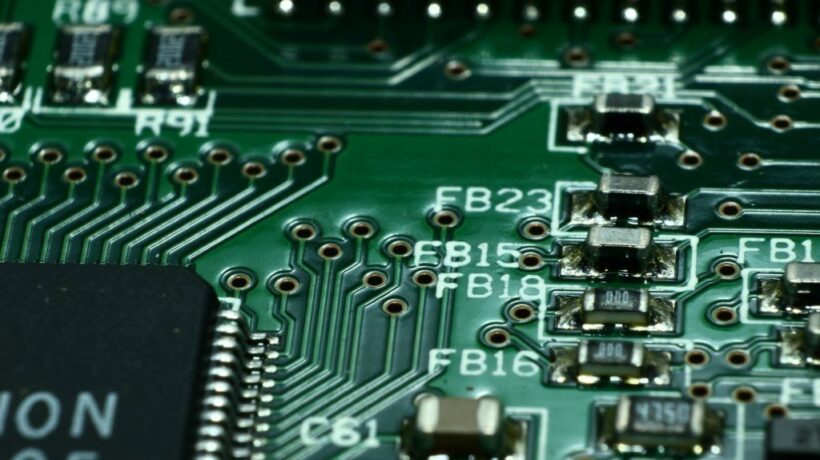
When working with integrated circuits in electronics design and manufacturing, engineers face a critical decision between IC socketing and direct soldering. This choice significantly impacts project flexibility, maintenance, and long-term reliability. The Engineers Network community frequently discusses this topic, as it affects everything from prototyping to production-level implementations.
5G is the fifth generation of mobile network technology. It’s designed to deliver faster internet speeds, lower delays, and the ability to connect more devices at once compared to 4G. While earlier networks focused on improving call quality and basic internet access, 5G takes it much further by enabling things like smart cities, self-driving cars, and advanced healthcare systems. This isn’t just about faster downloads; it’s about creating the backbone for a connected world.
Audio delays during video calls can turn productive meetings into frustrating experiences. Whether you’re working from home, catching up with family, or attending virtual events, nothing disrupts communication quite like audio that doesn’t match lip movements on screen. Fortunately, The Kindle3Books team has compiled proven solutions to help you resolve these synchronization issues quickly and effectively.
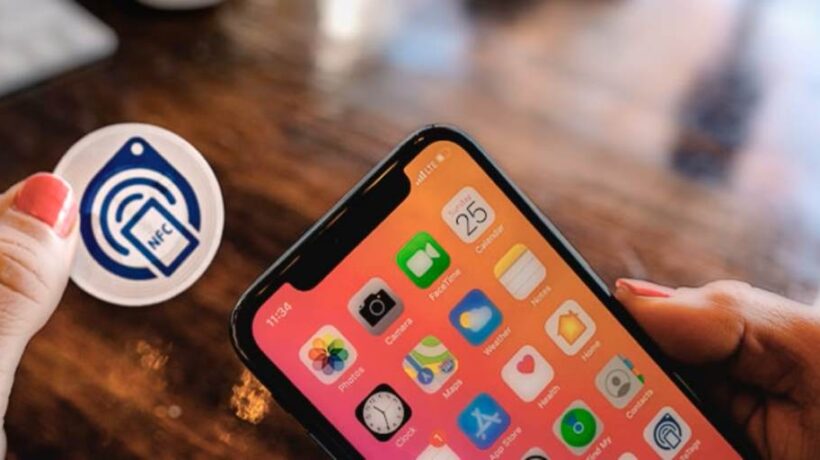
The rise of smart home technology has transformed how we interact with our living spaces, making them more convenient, efficient, and personalized. Among the tools driving this revolution are Near Field Communication (NFC) tags, which iPhone users can leverage to automate tasks and enhance their smart home experience. These small, programmable chips enable seamless communication between your iPhone and smart home devices, offering endless possibilities for customization. For those looking to explore innovative tech solutions, companies like Ltech UK provide resources and guides to integrate cutting-edge technologies, including NFC, into your home setup. This article explores creative ways to use iPhone NFC tags in a smart home, ensuring a people-first approach with practical, user-friendly ideas.
Alright, let’s talk about slot machines – those flashy, colorful games you see in casinos or play online. Whether you’re at a land-based casino or spinning the reels on your phone, slot machines are everywhere. But have you ever wondered how they’ve evolved over the years? How did these fun machines go from simple mechanical devices to the high-tech, immersive games we have today? Buckle up because we’re going on a wild ride through the history of slot machines and what we can expect next!
1. The Beginnings: From the Liberty Bell to Digital Slots
Let’s rewind to the late 1800s when the very first slot machine was invented. Back in 1895, a guy named Charles Fey created the Liberty Bell, the first true slot machine. It had three reels, a single payline, and symbols like horseshoes, diamonds, and of course, the Liberty Bell. Players would pull a lever, and if they got lucky, they could win up to 50 cents – a big deal at the time!
But fast forward a few decades, and technology was about to give slot machines a major upgrade. In the late 20th century, things started going digital. Video slots emerged, and suddenly there was no need for mechanical parts and a clunky lever. The reels were replaced with screens, and the possibilities for game design exploded. Gone were the days of just cherries and lemons – now we had flashy animations, sound effects, and themes that could transport you to ancient Egypt or outer space. As the industry grew, betting software development companies began to play a huge role in shaping the future of online gambling. These companies developed the sophisticated software systems that allowed casinos to offer online slots, creating a seamless experience for players and pushing the industry into the digital age.
2. The Online Revolution: Virtual Casinos Take Over
By the time the internet was booming in the 1990s, online casinos began popping up left and right. Microgaming, one of the pioneers in the industry, launched the world’s first online casino game in 1994. It wasn’t long before video slots made their way online, with developers like NetEnt and Playtech leading the charge.
Now, players no longer had to travel to a physical casino. They could play their favorite slots from the comfort of their own homes. The introduction of online slots brought innovations like bonus rounds, free spins, and wild symbols, adding excitement and variety. And did you know that the largest online jackpot ever won was an eye-watering $24 million in 2018 on Microgaming’s Mega Moolah? That’s some serious cash!
3. Mobile Slots: Spin on the Go
As smartphones became a staple in our lives, it was only a matter of time before slots went mobile. Around 2010, mobile slots started gaining traction. Software developers realized that people wanted to play their favorite slots on the go, so they optimized games for smaller screens and touch controls. Whether you’re waiting for your coffee or on a long commute, mobile slots made it possible to spin the reels anywhere, anytime.
And let’s not forget the rise of mobile-first casinos. These platforms were built with mobile players in mind, offering sleek designs and smooth gameplay for an unmatched experience. In fact, over half of all online gambling revenue now comes from mobile devices, proving just how popular mobile slots have become!
4. The Rise of RNG: Fair Play in the Digital Age
Ever wondered how slot machines can be so unpredictable? Well, behind every spin is a little thing called RNG (Random Number Generator). It’s what ensures that each spin is completely random and fair. The RNG algorithms have become increasingly sophisticated over the years, making sure the games are as unpredictable as ever.
But it’s not just about fairness – the rise of RNGs also meant that developers could offer more exciting features, like bigger jackpots and more intricate bonus rounds. The technology has come a long way since the days of mechanical machines with simple, predictable outcomes.
5. The Flashy Features: 3D Graphics, Big Bonuses, and Gamification
Remember when slots were just about spinning the reels and hoping for a win? Well, things have gotten a whole lot more exciting. Today’s slot games are loaded with features that keep players hooked. Bonus rounds, free spins, multipliers, and cascading reels – the possibilities are endless.
One of the biggest game-changers has been the incorporation of 3D graphics and immersive sound design. Games like Gonzo’s Quest by NetEnt (released in 2010) took players on an epic adventure with stunning visuals and smooth animations. The graphics were so good that it felt like you were part of the action!
But that’s not all – gamification is another trend that’s been growing in popularity. Many modern slots have added elements of skill-based play or even storylines. Take NetEnt’s Narcos, for example, where players get to immerse themselves in the world of the hit TV series while chasing down wilds and triggering bonus rounds.
6. What’s Next? VR and AR: The Future of Slots
Okay, now we’re entering the future – are you ready? Virtual Reality (VR) and Augmented Reality (AR) are making their way into the world of online slots. Imagine stepping into a 3D casino and being able to interact with the game like it’s real life. Players could walk around a virtual casino, sit down at a slot machine, and pull the lever or tap the screen, all from their living rooms.
While VR and AR slots are still in the early stages, some developers are already experimenting with them. In fact, SlotsMillion, an online casino, launched the first VR casino in 2015, offering players a fully immersive slot experience. Though it’s not mainstream yet, the possibilities are exciting.
7. AI and Machine Learning: Personalizing the Slot Experience
Artificial Intelligence (AI) is quietly changing the slot machine landscape behind the scenes. Developers are using AI to personalize the gaming experience, tailoring slot machines to players’ preferences. Imagine a game that adapts to your playstyle – it knows when you want a bigger challenge or when you’re looking for a relaxed spin.
AI also helps optimize Return to Player (RTP) percentages based on player behavior. For example, if a player tends to enjoy high-volatility games, AI can recommend slots that match their taste, creating a more customized and engaging experience.
8. Blockchain and Cryptocurrencies: A Game Changer for Slots?
Now let’s talk about something that’s been making waves in all industries, including gaming: blockchain and cryptocurrencies. With blockchain technology, players can ensure their games are fair and transparent. The beauty of blockchain is that it records every transaction and outcome on a public ledger, so players can verify the fairness of the games they’re playing.
Cryptocurrencies like Bitcoin and Ethereum are also becoming more common in online casinos. They offer faster, secure, and anonymous payments, which has caught the attention of players who value privacy and convenience. Could we be heading toward a future where blockchain technology is at the core of every slot game? To explore the potential of blockchain in gambling, check out more information at https://cpa-partners.top/gambling. This could be the beginning of a whole new era for online slots!
9. What’s Coming Next? The Future of Slot Machines
So, what does the future hold for slot machines? If we’ve learned anything from the past few decades, it’s that innovation is key. We can expect more advanced AI, immersive VR experiences, and even more integrated gamification. Slots will continue to evolve, not just in terms of graphics and features, but in how we experience them.
The future may also bring more personalized experiences – think of AI-powered slots that learn from your habits and offer a completely customized game. We may also see a rise in multiplayer slots where players can compete or cooperate for big wins in real-time.
10. Conclusion: Ready to Spin into the Future?
From mechanical Liberty Bells to high-tech VR experiences, slot machines have come a long way. And the best part? We’re just getting started. As technology continues to evolve, so too will the world of slots. Whether it’s AI, blockchain, or VR, there’s no telling what exciting innovations will come next. But one thing’s for sure – the future of slots is going to be even more thrilling, immersive, and fun than ever before!
So, next time you hit the spin button, just remember: you’re not just playing a game – you’re part of an ever-evolving adventure. Let’s see where the reels take us next!
Building a gaming PC allows for customization and potential cost savings but requires research and assembly time. With the increasing popularity of gaming, many enthusiasts consider building a gaming PC to be a rewarding and cost-effective option.
Building a gaming PC allows individuals to have total control over the components, enabling them to customize the system based on their specific needs and preferences. This can result in a more powerful and efficient gaming experience than pre-built options.