
27 Sep IC Socketing Versus Direct Solder: Making the Right Choice for Your Electronics Projects
When working with integrated circuits in electronics design and manufacturing, engineers face a critical decision between IC socketing and direct soldering. This choice significantly impacts project flexibility, maintenance, and long-term reliability. The Engineers Network community frequently discusses this topic, as it affects everything from prototyping to production-level implementations.
Understanding the differences between these two mounting methods helps engineers make informed decisions based on project requirements, budget constraints, and performance needs. Both approaches have distinct advantages and limitations that must be carefully considered during the design phase.
Understanding IC Socketing
IC socketing involves mounting integrated circuits in removable sockets rather than permanently attaching them to the circuit board. This method provides significant flexibility for testing, upgrading, and replacing components throughout the product lifecycle.
Sockets come in various configurations, including DIP (Dual In-line Package), surface-mount, and specialized formats for different IC packages. The socket itself gets soldered to the PCB, creating a secure connection point where ICs can be inserted and removed as needed.
This approach proves particularly valuable during development phases when circuit modifications are common. Engineers can swap components quickly without desoldering, which saves time and reduces the risk of PCB damage. Additionally, socketing allows for easy component testing and replacement in field applications.
Direct Soldering Advantages
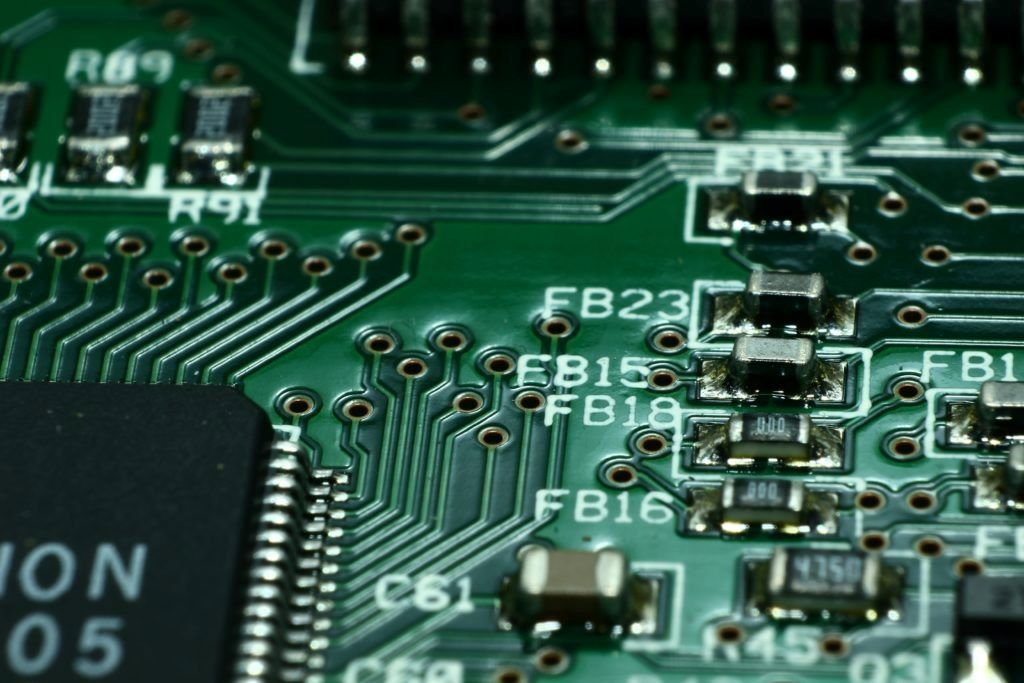
Direct soldering creates permanent connections between IC pins and PCB pads through solder joints. This traditional method offers several compelling benefits that make it the preferred choice for many applications.
The most significant advantage is reliability. Direct solder connections eliminate potential contact resistance issues and mechanical failures associated with socket interfaces. These permanent joints withstand vibration, temperature cycling, and environmental stress better than socketed connections.
Cost effectiveness represents another major benefit. Eliminating sockets reduces bill-of-materials costs and simplifies assembly processes. Manufacturing throughput increases when components are directly soldered, as there are fewer handling steps and potential assembly errors.
Space efficiency also favors direct soldering. Without socket height additions, PCBs can be more compact, which is crucial for miniaturized electronics and high-density designs where every millimeter matters.
When to Choose IC Socketing
Several scenarios make IC socketing the optimal choice despite its higher initial costs. Understanding these situations helps engineers make appropriate design decisions.
Development and prototyping phases benefit enormously from socketed ICs. Engineers can test different components, modify circuits quickly, and troubleshoot issues without permanent modifications. This flexibility accelerates development cycles and reduces iteration costs.
Field-replaceable applications require socketing for practical maintenance. Equipment that must remain operational with minimal downtime needs easily replaceable components. Socketing enables technicians to swap faulty ICs quickly without specialized soldering equipment.
High-value or specialized components often warrant socketing to protect the investment. Expensive microprocessors, custom ASICs, or rare components can be preserved and reused across multiple projects when socketed properly.
Direct Solder Applications
Mass production scenarios typically favor direct soldering due to cost and reliability advantages. Consumer electronics, automotive systems, and industrial equipment often use direct soldering to minimize manufacturing costs and maximize reliability.
High-vibration environments require the mechanical stability that direct solder joints provide. Aerospace, automotive, and industrial applications subject electronics to significant mechanical stress that could compromise socket connections.
Harsh environmental conditions also favor direct soldering. Applications exposed to extreme temperatures, humidity, or corrosive atmospheres benefit from the sealed nature of solder joints compared to socket interfaces.
Performance Considerations
Electrical performance differences between socketing and direct soldering can impact circuit behavior, particularly in high-frequency applications. Understanding these effects helps engineers make informed choices.
Socket connections introduce additional inductance and capacitance that can affect signal integrity. High-speed digital circuits and RF applications may experience degraded performance due to socket parasitics. Direct solder connections minimize these effects by providing shorter, more controlled electrical paths.
Thermal considerations also differ between methods. Direct solder joints provide better thermal conduction from IC packages to PCBs, improving heat dissipation. Sockets create thermal barriers that may require additional cooling considerations in high-power applications.
Cost Analysis Framework
Evaluating the total cost of ownership requires considering multiple factors beyond initial component costs. This comprehensive approach reveals the true economic impact of each mounting method.
Initial costs favor direct soldering due to eliminated socket expenses. However, lifecycle costs may favor socketing in applications requiring component replacement or upgrades. Development costs also differ significantly, with socketing reducing iteration expenses during design phases.
Labor costs vary depending on assembly complexity and technician skill requirements. Direct soldering may require specialized equipment and skilled operators, while socketing enables easier assembly by less experienced personnel.
Assembly and Manufacturing Considerations
Production scalability differs between mounting methods, affecting manufacturing strategy decisions. Understanding these implications helps align component mounting choices with production goals.
Automated assembly lines handle direct soldering more efficiently than socket insertion. Pick-and-place equipment and reflow soldering processes streamline direct mounting operations. Socket insertion often requires additional handling steps and quality verification procedures.
Quality control procedures also differ between methods. Direct solder joints can be inspected using automated optical inspection systems, while socketed connections require additional verification of proper seating and electrical contact.
Maintenance and Serviceability
Long-term maintenance requirements significantly influence mounting method selection. Considering the entire product lifecycle reveals hidden costs and benefits of each approach.
Socketed designs enable component-level repair and upgrade capabilities that extend product lifespans. Technicians can replace failed components quickly without specialized equipment or extensive PCB rework. This capability proves valuable in high-availability applications where downtime costs exceed component costs.
When considering maintenance procedures, what is a good practice before removing components? Proper documentation, static discharge protection, and systematic disassembly procedures ensure successful component replacement without collateral damage.
Environmental and Reliability Factors
Operating environment characteristics heavily influence the appropriate mounting method choice. Different applications present unique challenges that favor specific approaches.
Temperature cycling affects both mounting methods differently. Sockets may experience thermal expansion mismatches between materials, while solder joints can develop fatigue cracks under repeated thermal stress. Understanding application temperature profiles helps predict long-term reliability.
Moisture and contamination exposure also impacts method selection. Sealed solder joints resist environmental intrusion better than socket interfaces, which may accumulate contamination over time and degrade electrical performance.
Making the Final Decision
Choosing between IC socketing and direct soldering requires balancing multiple competing factors. No universal solution exists, making project-specific evaluation essential for optimal outcomes.
Decision matrices help quantify trade-offs by assigning weights to various factors like cost, reliability, maintainability, and performance requirements. This systematic approach ensures all stakeholders understand the implications of mounting method choices.
Hybrid approaches sometimes provide optimal solutions by combining both methods within single designs. Critical components may be directly soldered for reliability while user-configurable or development components use sockets for flexibility.
Conclusion
The choice between IC socketing and direct soldering represents a fundamental design decision with far-reaching implications for electronics projects. Direct soldering offers superior reliability, lower costs, and better electrical performance, making it ideal for production applications and harsh environments. Conversely, IC socketing provides flexibility, serviceability, and development efficiency that proves invaluable during design phases and field-replaceable applications.
Successful engineers evaluate project requirements comprehensively, considering not just initial costs but entire lifecycle implications. By understanding the strengths and limitations of each approach, design teams can make informed decisions that optimize product performance, reliability, and economic viability throughout the product lifecycle.
Frequently Asked Questions
What are the main cost differences between IC socketing and direct soldering? IC socketing typically costs 2-5 times more initially due to socket prices, but may reduce long-term costs in applications requiring component replacement or frequent changes during development.
Can socketed ICs handle the same electrical performance as direct-soldered ones? Direct-soldered connections generally provide better electrical performance, especially for high-frequency applications. Sockets introduce parasitic inductance and capacitance that can degrade signal integrity in sensitive circuits.
How do I decide between socketing and direct soldering for my project? Consider factors like production volume, environmental conditions, maintenance requirements, development phase, component costs, and performance specifications. High-volume production usually favors direct soldering, while development and field-serviceable applications benefit from socketing.
Are there reliability differences between the two mounting methods? Direct solder joints typically offer superior long-term reliability, especially in high-vibration or harsh environmental conditions. Socketed connections may develop contact resistance issues or mechanical failures over time.
What maintenance considerations apply to each mounting method? Socketed designs enable easy component replacement by field technicians without specialized soldering equipment. Direct-soldered components require skilled technicians with proper tools and may risk PCB damage during replacement procedures.
Read More:
What is the Difference Between 2-Stage and 3-Stage Matte Box?
No Comments