
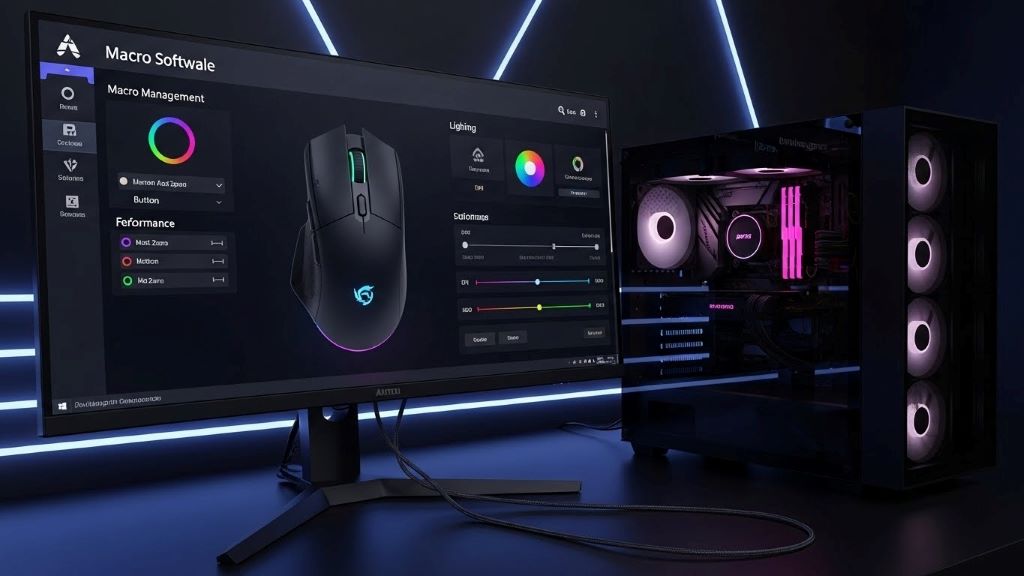
18 Jan How to Akitsu Mouse Software Fix Macro Delay Problems
Gaming mice have become essential tools for competitive players and productivity enthusiasts alike. However, many Akitsu mouse users experience frustrating macro delay problems that can disrupt their workflow or gaming performance. These delays can make your carefully programmed macros feel sluggish and unresponsive. Fortunately, there are several effective solutions to fix these issues and restore your mouse to optimal performance.
Understanding Macro Delays in Akitsu Mouse Software
Macro delays occur when there is a noticeable lag between pressing a programmed button and the execution of the assigned commands. This problem can stem from various sources, including software conflicts, outdated drivers, or incorrect settings. Additionally, system resource limitations can contribute to delayed macro execution.
The Akitsu mouse software uses background processes to monitor and execute your custom macros. When these processes encounter interference, delays become inevitable. Therefore, identifying the root cause is the first step toward finding an effective solution.
Update Your Akitsu Mouse Software
Outdated software is one of the most common culprits behind macro delay problems. Manufacturers regularly release updates to fix bugs and improve performance. Consequently, keeping your software current should be your first troubleshooting step.
Visit the official Akitsu website and navigate to the support or downloads section. Download the latest version of the mouse software compatible with your operating system. After downloading, close all running applications and install the update. Restart your computer to ensure all changes take effect properly.
Many users report significant improvements in macro responsiveness after updating. However, if the problem persists, you will need to explore additional solutions.
Check USB Connection and Port Quality
The physical connection between your mouse and computer plays a crucial role in performance. USB ports can vary in power delivery and data transfer speeds. Therefore, testing different USB ports can sometimes resolve delay issues.
Try connecting your Akitsu mouse directly to a USB port on your motherboard rather than through a hub. USB hubs can introduce latency, especially when multiple devices are connected simultaneously. Additionally, ensure you are using a USB 3.0 or higher port for optimal performance.
Inspect your mouse cable for any visible damage or wear. A damaged cable can cause intermittent connection issues that manifest as macro delays. If you notice any problems, consider replacing the cable or contacting customer support for assistance.
Adjust Polling Rate Settings
The polling rate determines how often your mouse reports its position to your computer. A higher polling rate generally means better responsiveness. However, setting it too high on systems with limited resources can actually cause delays.
Open your Akitsu mouse software and locate the polling rate settings. Common options include 125Hz, 250Hz, 500Hz, and 1000Hz. Start by setting it to 500Hz, which offers a good balance between responsiveness and system resource usage.
Test your macros at this setting. If delays persist, try adjusting the polling rate up or down. Some systems perform better at 1000Hz, while others work more smoothly at 500Hz. Experiment to find the optimal setting for your specific setup.
Disable Conflicting Background Applications
Multiple programs running simultaneously can compete for system resources. This competition often affects peripheral performance, including macro execution. Therefore, closing unnecessary background applications can free up resources and reduce delays.
Press Ctrl+Shift+Esc to open Task Manager on Windows. Review the list of running applications and processes. Close any programs you are not actively using, particularly those that might interact with your mouse or keyboard inputs.
Gaming overlays, screen recording software, and other peripheral management tools can sometimes conflict with Akitsu mouse software. Temporarily disable these programs to see if macro performance improves. You can re-enable them one at a time to identify the specific culprit.
Optimize Macro Programming
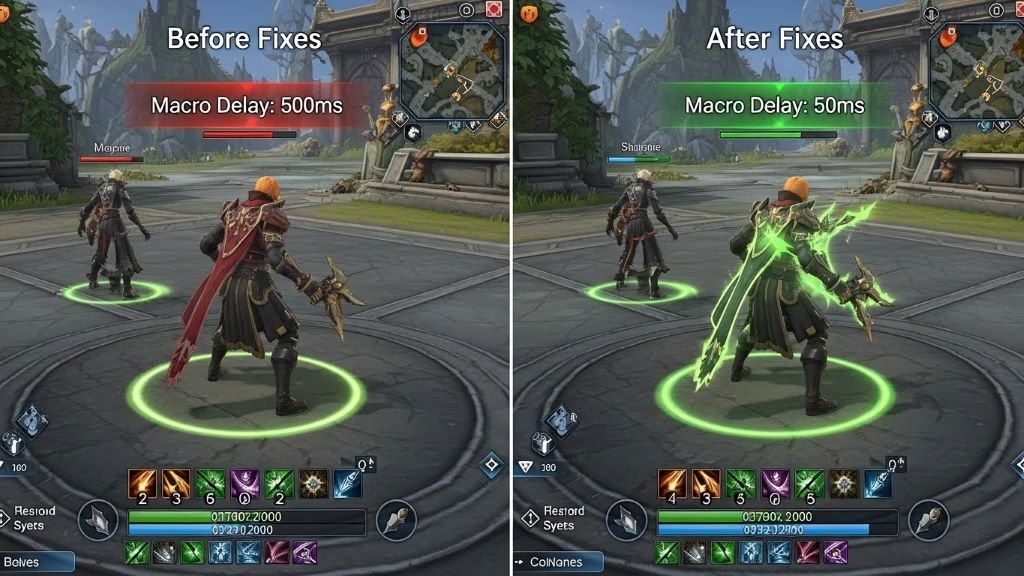
Sometimes the delay originates from how the macro itself is programmed. Overly complex macros with multiple commands can take longer to execute. Additionally, incorporating appropriate delays between commands is essential for reliability.
Review your macro sequences in the Akitsu software. Remove any unnecessary commands or redundant steps. Simplify complex macros when possible to reduce execution time.
Insert small delays between rapid commands to prevent them from overlapping. According to Tom’s Hardware experts, properly timed delays between macro commands can actually improve overall execution reliability. Start with 10-20 millisecond delays and adjust based on performance.
Reset Software to Default Settings
Corrupted configuration files can cause various performance issues, including macro delays. Resetting your Akitsu mouse software to factory defaults can eliminate these problems. However, this will erase all your custom settings and profiles.
Before proceeding, export or write down your current macro configurations if possible. Open the Akitsu software and navigate to settings or preferences. Look for an option labeled “Reset to Default,” “Factory Reset,” or similar wording.
After resetting, restart your computer. Reconfigure your essential macros and test their performance. Many users find that starting fresh eliminates persistent delay issues that other solutions could not fix.
Run Software as Administrator
Permission restrictions can prevent the Akitsu software from accessing necessary system resources. Running the program with administrator privileges often resolves these limitation-related delays.
Right-click on the Akitsu mouse software shortcut or executable file. Select “Run as administrator” from the context menu. Windows may prompt you to confirm this action. Click “Yes” to proceed.
Test your macros while the software runs with elevated privileges. If performance improves, you can set the program to always run as administrator. Right-click the shortcut, select Properties, navigate to the Compatibility tab, and check “Run this program as administrator.”
Update Windows and System Drivers
Operating system updates often include improvements to USB handling and peripheral management. Similarly, chipset and USB controller drivers directly affect how your computer communicates with connected devices. Therefore, keeping everything updated is crucial for optimal performance.
Open Windows Update through your system settings and install all available updates. Additionally, visit your motherboard manufacturer’s website to download the latest chipset and USB drivers. According to PC Gamer’s troubleshooting guide, outdated system drivers are a frequently overlooked cause of peripheral performance issues.
After updating, restart your computer and test your Akitsu mouse macros again. The combination of current software and drivers provides the best foundation for responsive macro execution.
Disable Windows Pointer Precision
Windows includes a feature called “Enhance pointer precision” that can interfere with gaming mice and macro execution. This acceleration feature modifies mouse movement based on speed, which can introduce inconsistencies.
Open Windows Settings and navigate to Devices, then Mouse. Click on “Additional mouse options” to open the Mouse Properties window. Go to the Pointer Options tab and uncheck “Enhance pointer precision.” Click Apply and OK to save changes.
This change affects overall mouse behavior, not just macros. However, most gamers and macro users prefer the direct, unaccelerated input that results from disabling this feature.
Check for Malware and System Issues
Malware or system corruption can cause unexpected performance problems across all applications. Running a comprehensive system scan can identify and eliminate these hidden issues.
Use Windows Defender or your preferred antivirus software to perform a full system scan. Additionally, run the System File Checker utility by opening Command Prompt as administrator and typing “sfc /scannow” without quotes. This process can take some time but will repair corrupted system files.
Clean, malware-free systems provide the stable environment necessary for responsive macro execution. Regular maintenance helps prevent these issues from developing in the first place.
Conclusion
Fixing macro delay problems in Akitsu mouse software requires a systematic approach. Start with simple solutions like updating software and checking USB connections. Then, move to more advanced troubleshooting like adjusting polling rates and optimizing macro programming. Most users find success with one or more of these methods.
Remember that every system is unique. What works for one user may not work for another. Therefore, patience and methodical testing are essential. Try each solution individually and test thoroughly before moving to the next step.
By following these guidelines, you can restore your Akitsu mouse to peak performance. Responsive macros will enhance your gaming experience and improve productivity across all tasks.
Frequently Asked Questions
What causes macro delays in gaming mice?
Macro delays typically result from outdated software, USB connection issues, conflicting background applications, or incorrect polling rate settings. System resource limitations and corrupted configuration files can also contribute to delayed macro execution.
How do I know if my Akitsu mouse software needs updating?
Visit the official Akitsu website and check the latest version number against what you currently have installed. You can usually find your current version in the software’s “About” or “Help” section. Manufacturers also sometimes notify users of updates within the software itself.
Can a USB hub cause macro delay problems?
Yes, USB hubs can introduce latency, especially when multiple devices draw power and bandwidth simultaneously. For best performance, connect your Akitsu mouse directly to a motherboard USB port rather than through a hub or extension cable.
What is the best polling rate for macro execution?
Most users find that 500Hz or 1000Hz provides the best balance of responsiveness and stability. However, systems with limited resources may perform better at 500Hz. Experiment with different settings to find what works best for your specific configuration.
Will resetting my mouse software delete all my macros?
Yes, resetting to factory defaults typically erases all custom configurations, including saved macros and button assignments. Always export or document your important macros before performing a reset so you can easily recreate them afterward.
Related Topics:
How Old Is Kid Gwen? Age Mysteries of Gwen Tennyson
How to Factory Reset Your Android 10 Head Unit: A Step-by-Step Guide
No Comments