
Imagine building a house without a foundation. No matter how beautiful the design or how sturdy the walls, it won’t stand for long. The same is true for PHP applications. Without a solid PHP database connection, your app might look great on the surface, but it will crumble under real-world use. Yet, despite its importance, many developers struggle with database integration—leading to slow queries, security vulnerabilities, and frustrating bugs. I’ve spent over a decade building and optimizing PHP applications, from small business tools to enterprise-level systems. The difference between apps that thrive and those that fail often comes down to one thing: how well they handle database connections. This guide isn’t about writing basic queries or installing MySQL. It’s about mastering the art of connecting PHP to databases securely, efficiently, and scalably.

You’ve just finished writing your first PHP script. It works—sort of. But as you add more features, the code becomes a tangled mess of spaghetti logic, duplicate functions, and mysterious bugs. Sound familiar? You’re not alone. A 2026 survey by Stack Overflow found that 68% of beginner PHP developers struggle with project organization, leading to code that’s difficult to maintain or scale. The result? Frustration, wasted time, and projects that collapse under their own complexity. The problem isn’t your coding skills—it’s your PHP project structure. Without a clear, logical organization, even simple projects become unmanageable as they grow. The good news? Structuring PHP projects isn’t about advanced techniques or complex architectures. It’s about following a few fundamental principles that separate amateur code from professional-grade applications.
In 2026, the digital landscape demands more than static web pages. Users expect real-time updates, personalized experiences, and seamless interactivity. That’s where PHP dynamic websites come into play. Despite the rise of JavaScript frameworks, PHP remains the backbone of 77.4% of all websites using server-side programming. Why? Because it’s fast, flexible, and battle-tested for over two decades. I’ve built dynamic web apps for startups and enterprises alike. One truth stands out: PHP isn’t just surviving—it’s thriving. With the release of PHP 8.3, performance improvements and modern features make it a top choice for dynamic web development. Whether you’re a beginner or a seasoned developer, this guide will walk you through building a dynamic website using PHP from scratch.
Modern facility management demands seamless integration between design files and operational systems. Archibus software bridges the gap between Computer-Aided Design (CAD) and Building Information Modeling (BIM) data. This integration transforms static drawings into dynamic facility management tools.
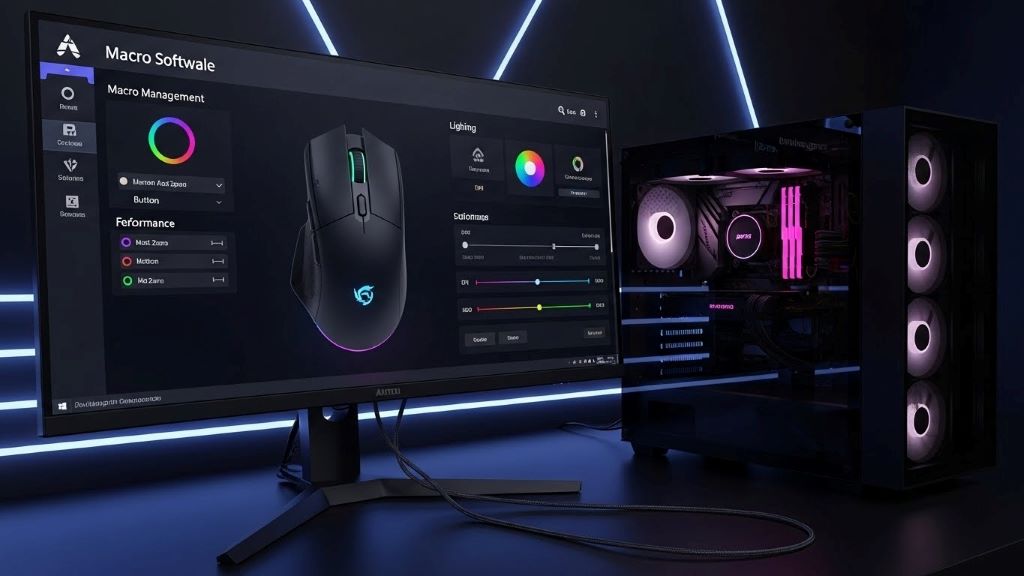
Gaming mice have become essential tools for competitive players and productivity enthusiasts alike. However, many Akitsu mouse users experience frustrating macro delay problems that can disrupt their workflow or gaming performance. These delays can make your carefully programmed macros feel sluggish and unresponsive. Fortunately, there are several effective solutions to fix these issues and restore your mouse to optimal performance.
Modern technology is transforming how people recover from injuries and illnesses. Smart rehabilitation uses advanced tools to help patients regain mobility, strength, and independence. These innovations make therapy more effective and engaging. Moreover, they provide real-time feedback that improves outcomes for patients of all ages.

Speed is no longer a “nice-to-have” in mobile apps—it’s an expectation. Users abandon slow apps quickly, and even a small delay can reduce engagement and conversions. Native apps stand out because they are built to work with the device, not around it. By accessing hardware components directly, native apps deliver smoother animations, faster load times, and better battery efficiency.

Web3 in web development is reshaping how modern websites are planned, built, and deployed by shifting core infrastructure from centralized servers to decentralized networks controlled by smart contracts and user-owned data. For developers, this means new Web3 infrastructure for developers creates a more secure, transparent, and composable foundation for frontends that still feel familiar but run on very different backends.