
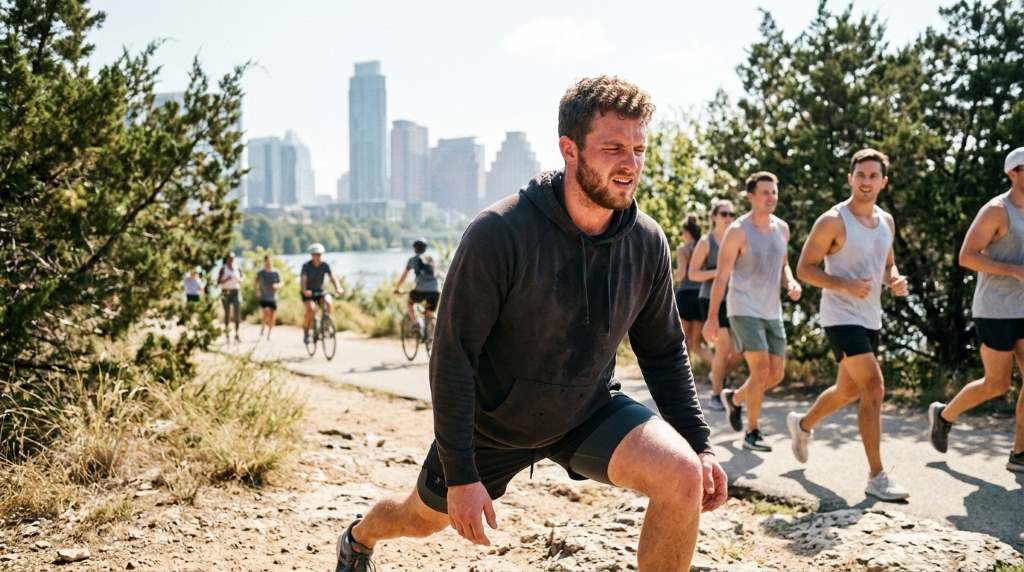
11 Jul Why Fitness Photos Fail in Austin, TX
Fitness photography continues growing because social platforms influence over 63% of consumers before purchase decisions. Meanwhile, visual content receives significantly higher engagement than plain text across leading social networks. Many creators overlook simple details, causing disappointing results despite quality equipment. If you need a solo full body photo setup, proper positioning creates stronger images before editing begins.
Why Fitness Photos Fail in Austin, TX often comes down to planning instead of expensive cameras. Small mistakes reduce image quality, weaken storytelling, and lower audience engagement. Fortunately, practical improvements produce better results without increasing your photography budget.
Understanding the Biggest Fitness Photography Mistakes
Many fitness images fail because photographers focus only on equipment instead of preparation. Strong lighting, thoughtful composition, and timing create better results every session. Learning how small technical problems affect images resembles solving fix akitsu mouse software performance issues through careful adjustments.
Natural conditions change quickly throughout the day, affecting shadows across every workout location. Therefore, photographers should study each location before scheduling important fitness sessions. Preparation prevents unnecessary distractions during the actual shoot.
Poor Planning Creates Weak Results
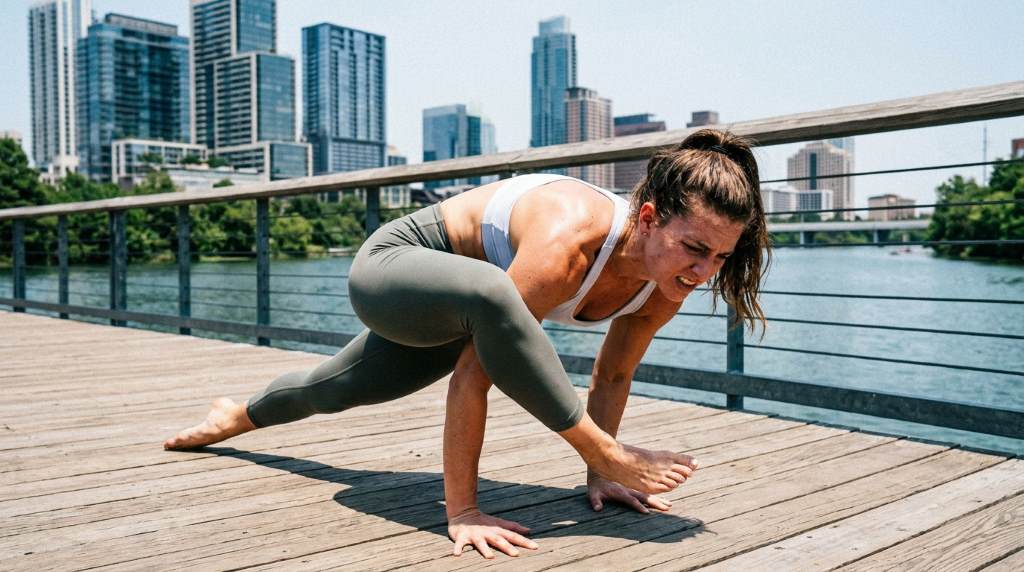
Many people arrive without deciding poses, camera angles, or clothing combinations beforehand. Consequently, valuable shooting time disappears while everyone makes unnecessary decisions. Preparation always supports smoother and more productive photography sessions.
Ignoring the Story Behind the Image
Every successful fitness photograph communicates motivation, discipline, confidence, or personal achievement through visual storytelling. Random poses rarely inspire viewers because they lack emotional direction. Purpose always strengthens image quality.
Lighting Problems That Ruin Strong Fitness Photos
Lighting remains the most important element behind professional fitness photography. Harsh sunlight creates deep facial shadows while hiding important muscle definition. Balanced lighting produces cleaner details and more natural skin tones.
Golden hour often delivers flattering light because the sun remains lower across the horizon. However, cloudy conditions sometimes provide equally attractive lighting with softer shadows. Flexible planning improves consistency throughout every season.
Indoor Lighting Challenges
Many gyms contain mixed lighting sources that create uneven skin colors across different camera angles. White balance adjustments help maintain realistic colors throughout every photograph. Simple corrections create noticeably stronger results.
Outdoor Lighting Mistakes
Midday sunlight frequently causes squinting, harsh highlights, and distracting shadows during outdoor sessions. Instead, photographers should schedule sessions during early morning or late afternoon. Better timing improves comfort and image quality.
Location Selection Makes a Bigger Difference Than Expected
Background distractions often pull attention away from the athlete instead of supporting the overall composition. Selecting clean environments creates stronger visual focus without complicated editing. Organizing locations follows principles similar to archibus cad bim integration because structure improves efficiency.
Austin offers parks, trails, murals, and modern architecture that complement fitness photography beautifully. Nevertheless, crowded locations increase interruptions and reduce creative flexibility. Visiting locations before the session helps avoid surprises.
Common Background Problems
- Busy parking lots behind the subject.
- Bright signs competing for attention.
- Random pedestrians entering the frame.
- Unpleasant trash or construction materials.
- Uneven horizons reducing visual balance.
Camera Settings and Technical Errors
Automatic camera settings cannot understand every creative situation during active fitness photography. Manual adjustments improve sharpness, exposure, and overall consistency across multiple poses. Building technical confidence resembles learning to build responsive website systems through steady practice.
Fast movement requires quicker shutter speeds to preserve sharp action photographs. Meanwhile, wider apertures separate athletes from distracting backgrounds. Technical knowledge creates stronger results regardless of camera brand.
Focus Mistakes
Incorrect focus points reduce sharpness even when every other camera setting appears correct. Eye focus usually creates stronger portraits during fitness sessions. Consistent checking prevents disappointing final images.
Over Editing Problems
Heavy filters often remove realistic textures that demonstrate genuine athletic progress and dedication. Moderate editing preserves authenticity while improving overall presentation. Natural improvements earn greater audience trust.
Wardrobe Choices That Hurt Image Quality
Clothing influences visual balance more than many beginners expect during fitness photography. Poor color combinations distract viewers from athletic performance and body positioning. Coordinated outfits strengthen the overall composition.
Comfort also matters because restrictive clothing limits movement during action photographs. Functional athletic apparel supports confident expressions throughout every pose. Confidence naturally appears within successful photographs.
Helpful Clothing Tips
- Select solid colors instead of busy patterns.
- Choose properly fitted athletic clothing.
- Coordinate footwear with outfit colors.
- Avoid distracting accessories whenever possible.
- Bring backup clothing for variety.
Posing Mistakes That Reduce Visual Impact
Natural movement often creates stronger fitness photographs than stiff, uncomfortable poses. Simple posture adjustments highlight strength without appearing forced. Practice builds confidence before every session.
Breathing calmly also improves facial expressions throughout demanding athletic poses. Relaxed shoulders produce balanced body positioning across different camera angles. Small improvements create major visual benefits.
Better Posing Habits
- Keep your posture upright.
- Create natural hand positions.
- Engage your core muscles gently.
- Shift weight evenly between feet.
- Maintain relaxed facial expressions.
Building Better Fitness Photography Habits
Professional quality develops through consistent learning instead of expensive equipment purchases alone. Reviewing previous sessions helps identify repeating mistakes quickly. Continuous improvement creates dependable long term progress.
Feedback from experienced photographers also reveals valuable ideas that beginners frequently overlook. Constructive criticism supports better technical skills and stronger creative decisions. Every session becomes another opportunity for growth.
Conclusion
Why Fitness Photos Fail in Austin, TX usually involves preparation, lighting, composition, and storytelling instead of camera price. Small improvements consistently create stronger images that attract greater attention and engagement. Apply these practical strategies during your next session and evaluate the difference through careful comparison. Start practicing today because every successful fitness photograph begins with better planning.
Frequently Asked Questions
Why do fitness photos often look flat?
Poor lighting and weak posing usually reduce depth and muscle definition.
What time creates the best outdoor fitness photos?
Early morning and late afternoon normally provide softer and more flattering natural light.
Does expensive equipment guarantee better fitness photos?
No, proper technique and planning matter much more than camera cost.
Should fitness photos receive heavy editing?
No, subtle editing preserves authenticity while improving overall visual quality.
How can beginners improve fitness photography quickly?
Practice consistently, study lighting, and review every session for measurable improvements.
No Comments