

09 Nov Indie Game Showcases You Can’t Miss at Gaming Events
The hunt for indie game showcases you can’t miss has become one of the most rewarding parts of any gaming event. Big publisher keynotes get the headlines, yet some of the sharpest reveals now happen in smaller indie broadcasts and side stages. If you have ever left a convention wondering how everyone else found that strange little game first, the answer is usually a showcase. This piece explains what these events are, why they matter, and how to get the most from them alongside the wider gaming news and guides you already follow.
Quick answer: Indie showcases are curated presentations where small studios reveal trailers, release dates, and playable demos, often during major gaming events. Focus on the ones with a clear theme or a track record of showing playable builds rather than only cinematic teasers. Watch live when you can, keep a shortlist, and follow up on demos before the show floor closes.
What is indie game showcases you can’t miss?
An indie showcase is a scheduled presentation built around games from small or independent studios. Formats vary, but most run 30 to 90 minutes and mix world premieres, release-date announcements, and short developer segments. Some happen on a convention’s main stage, while others stream online to coincide with a major event weekend.
The phrase “can’t miss” is subjective, so treat it as a filter rather than a fixed list. A showcase earns that label when it reliably delivers something you can act on: a demo you can download, a date you can mark, or a game you can wishlist that day. Events that only show moody teasers with no date or platform are easier to skip.
Common examples include the Wholesome Direct, Day of the Devs, the Guerrilla Collective, and regional indie showcases tied to conventions. Larger events such as PAX, Gamescom, and Summer Game Fest often host indie-focused segments alongside their headline shows. If you are planning around a specific convention, check resources like the PAX West 2026 schedule to see where indie programming sits.
How these showcases differ from publisher keynotes
Publisher keynotes sell a slate of known franchises. Indie showcases sell discovery. You will see rough edges, unusual art styles, and genres that rarely get stage time elsewhere. That difference is the point: a 40-minute indie stream can introduce a dozen games you have never heard of, while a major keynote may cover six.
Formats you will encounter
- Livestreamed showcases: aired on YouTube or Twitch, often with a live chat and instant wishlist links.
- On-site stage shows: held at a convention, sometimes with a demo area nearby.
- Demo events: Steam Next Fest and similar promotions let you play early builds from home.
- Mixed showcases: combine trailers with interviews and developer commentary.
The value of an indie showcase is not production polish. It is the number of playable or dated games you leave with on a shortlist.
Takeaway: judge a showcase by what you can do after watching, not by how flashy the trailer reel looked.
Why indie game showcases you can’t miss matters
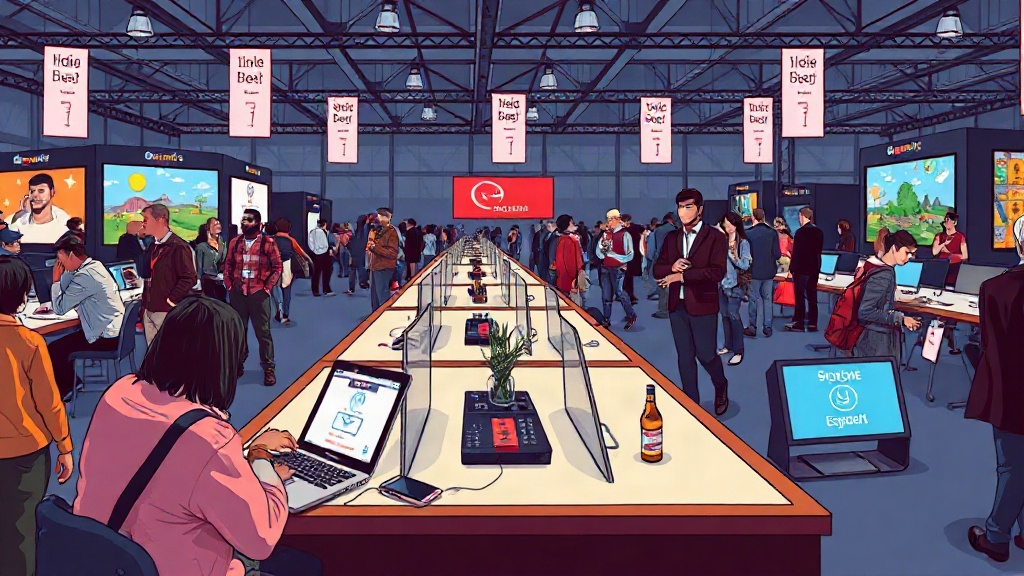
Indie showcases shape what many players actually buy. Small studios rarely have the marketing budget for television spots or arena banners, so a slot in a curated stream can be their single biggest moment of visibility. For viewers, that means a concentrated dose of games that larger events may never cover.
Timing matters too. Many indie reveals come with a demo that stays live for a limited window, often a week or two around the event. Miss the window and you may wait months to try the game. Wishlisting early can also help a studio, because storefront algorithms respond to early interest.
There is a practical planning benefit as well. Convention schedules are crowded, and indie programming often runs in smaller rooms or side streams. Knowing which showcases matter to you lets you build a realistic plan instead of drifting between halls.
What viewers gain
A good showcase compresses hours of browsing into a single sitting. You see gameplay footage, hear directly from developers, and often get a release window in the same segment. That is faster than trawling store pages one by one.
What developers gain
A showcase slot can move a small game from obscurity to a few thousand wishlists in an afternoon. Coverage from streamers and press usually follows within days. For a two-person team, that exposure can decide whether a project gets finished.
Viewers get curated discovery; studios get visibility. Both sides benefit when you watch live and act on what you see.
Takeaway: treat indie showcases as a research tool for your own wishlist, not just entertainment.
Best practices
Getting value from these events comes down to preparation and follow-through. A little planning before the stream saves hours of scrolling afterward.
Build a short watchlist before the event
Check the event schedule a week ahead and note which showcases match your taste. If you like narrative games, a cozy-life-sim stream may not be worth two hours. If you enjoy roguelikes, the action-focused showcases deserve priority. Write down three to five names rather than trying to watch everything.
Watch live when demos are involved
Live viewing matters most when a demo drops at the same moment. Streams often include a link or a code on screen, and demos can be time-limited. If you cannot watch live, set a reminder for the replay and check the demo page the same day.
Keep a running shortlist
Use a notes app or a wishlist folder. For each game that catches your eye, record the title, the genre, and one reason you cared. This small habit prevents the “I saw something cool but forgot the name” problem that hits everyone after a long showcase weekend.
Follow up within 48 hours
Interest fades fast. Install demos, read store pages, and watch a few minutes of unedited gameplay before deciding. Trailers are edited to look good; a 15-minute let’s-play clip shows how the game actually plays.
Comparison: live viewing vs. catching the replay
| Factor | Live viewing | Replay |
|---|---|---|
| Demo access | Immediate, often time-limited | May miss the window |
| Chat and reactions | Shared discovery | Solo |
| Skipping filler | Harder | Easy |
| Scheduling cost | Fixed time slot | Flexible |
Notice that replays win on convenience but lose on time-sensitive demos. If a showcase includes a playable build, live is usually worth the calendar block.
Put the demo’s closing date in your calendar the moment you download it. Limited windows close quietly.
Takeaway: a short watchlist, live viewing for demo drops, and a 48-hour follow-up routine cover most of the effort.
Common mistakes to avoid
Most disappointment around indie showcases comes from mismatched expectations rather than bad games. Avoiding a few habits keeps the experience useful.
Expecting polished AAA production
Indie streams often have rougher pacing, awkward transitions, and developer segments that run long. That is normal. Judge the games, not the broadcast quality, and you will enjoy the format far more.
Skipping games because the art looks simple
Visual simplicity is a style choice, not a quality signal. Many well-regarded indie hits use flat colors or pixel art. Watch ten seconds of gameplay before deciding a title is not for you.
Forgetting that demos are unfinished
An early build may stutter, lack tutorials, or change before launch. Treat a rough demo as a preview of direction, not a final review. Note the issues, then check again closer to release.
Watching every showcase out of habit
Curated discovery only works if the curation matches your taste. Watching six hours of streams you do not enjoy is not research; it is background noise. Pick fewer events and pay closer attention.
Losing track of titles
Without notes, most viewers remember two or three games from a long showcase. The rest blur together. A quick list fixes this, and it takes under a minute per title.
Some showcases include sponsored slots that are not clearly separated from editorial picks. Check whether a segment is labeled as sponsored before treating it as a recommendation.
Takeaway: keep expectations realistic, judge gameplay over art, and take notes so the good finds do not slip away.
FAQ
How much does it cost to watch indie game showcases?
Most showcases stream for free on platforms like YouTube and Twitch. On-site stage shows usually require a convention ticket, which covers the whole event rather than the indie segment alone. Demos are typically free to download.
Do I need to watch showcases live?
Not always. Replays work well for trailers and announcements. Watch live when a demo or limited code drop is tied to the broadcast, because those windows can close within days.
Which indie showcases are best for someone new to the scene?
Start with curated shows that have a clear theme, such as cozy games or narrative titles, and watch one full stream rather than snippets. A single focused showcase is easier to absorb than a four-hour marathon.
How do I keep track of games I see?
Note the title, genre, and platform for each interesting game, then wishlist them on the store the same day. A shortlist of five to ten titles is manageable; a list of thirty is not.
Are indie showcases only for upcoming games?
Many focus on upcoming releases, but some include recently launched games, updates, and demos for titles already out. Expect a mix rather than a strict preview format.
Conclusion
Indie game showcases you can’t miss are the ones that leave you with something concrete: a demo installed, a release date saved, or a wishlist that grew by a few names. Build a short watchlist, watch live when demos are involved, follow up within two days, and skip the streams that do not match your taste. Start with one showcase at your next event weekend, take notes as you watch, and let that small habit guide your picks for the rest of the year.
No Comments