

25 Sep 5G Technology: How It Works and Why It Matters
What is 5G Technology in Simple Terms?
5G is the fifth generation of mobile network technology. It’s designed to deliver faster internet speeds, lower delays, and the ability to connect more devices at once compared to 4G. While earlier networks focused on improving call quality and basic internet access, 5G takes it much further by enabling things like smart cities, self-driving cars, and advanced healthcare systems. This isn’t just about faster downloads; it’s about creating the backbone for a connected world.
How Does 5G Technology Work?
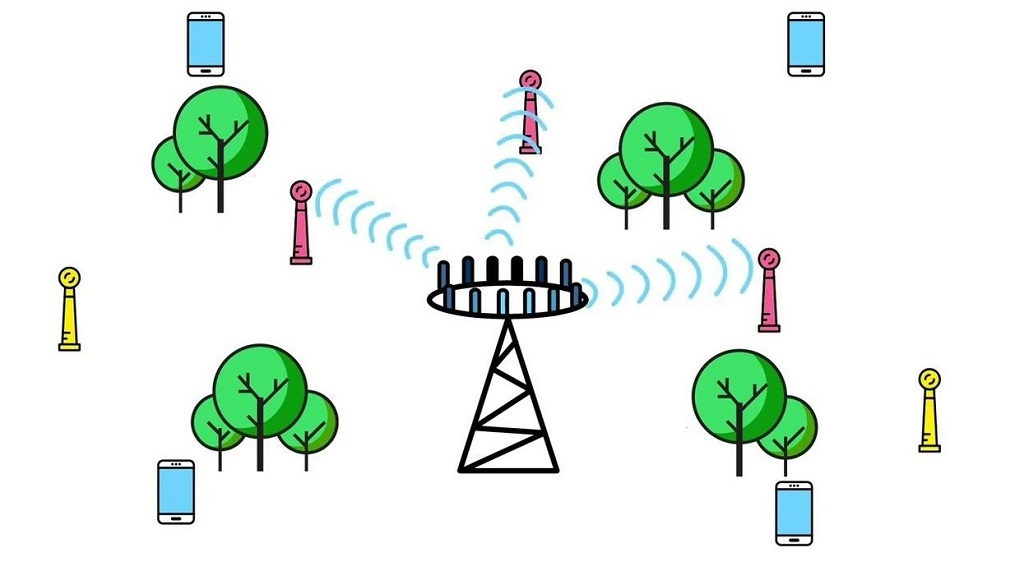
If you’ve ever wondered how does 5g technology work?, the answer lies in its use of high-frequency radio waves, advanced antennas, and dense networks of small towers. Unlike 4G, which relies heavily on large cell towers, 5G uses smaller base stations spread across cities to provide seamless coverage. These signals can travel at lightning speed but have shorter ranges, which is why more towers are needed.
Additionally, 5G makes use of technologies such as beamforming (directing signals straight to a device rather than spreading them everywhere) and network slicing (dividing the network into separate channels for different uses). For example, one slice could serve regular users streaming videos, while another supports critical medical devices with zero interruptions. Resources like Index Marks are useful for staying updated on such innovations across industries.
Why is 5G Faster than Previous Generations?
5G can achieve download speeds of up to 10 Gbps, which is almost 100 times faster than 4G. This speed boost comes from its ability to use higher frequencies (millimeter waves) and its ability to transmit data across multiple antennas simultaneously. In everyday life, this means you can download a full HD movie in just seconds or stream 8K video without buffering.
How Does 5G Improve Latency and Reliability?
Latency is the time it takes for data to travel from one point to another. In 4G, latency averages around 30–50 milliseconds, while 5G can cut it down to as little as 1 millisecond. This near-instant response is what makes applications like autonomous cars, remote surgeries, and real-time gaming possible. Reliability also improves since 5G is built to handle millions of connected devices in a single square kilometer without losing performance.
What Makes 5G Crucial for Businesses and Daily Life?
Businesses benefit from 5G because it supports emerging technologies like the Internet of Things (IoT), augmented reality (AR), and virtual reality (VR). Imagine factories with robots communicating wirelessly, or farmers using sensors to monitor soil health in real-time. For everyday users, it means smoother video calls, lag-free gaming, and faster access to cloud services. Moreover, it sets the foundation for industries like healthcare and transportation to deliver smarter, safer, and more efficient services.
What Challenges Does 5G Face?
Despite its advantages, 5G isn’t without hurdles. One major challenge is infrastructure. Because high-frequency signals can’t travel far or penetrate walls easily, telecom companies need to build dense networks of small towers, which can be costly. Security is another concern, as a highly connected world opens new doors for cyber threats. Additionally, not all regions have access to 5G yet, and upgrading devices is necessary to experience the benefits.
How Will 5G Shape the Future?
Looking ahead, 5G will be the driving force behind advancements such as smart transportation, fully connected homes, and digital healthcare. For instance, doctors could monitor patients remotely in real time, or traffic lights could automatically adjust to reduce congestion. It’s more than just a new network; it’s a technological shift that reshapes how societies operate. As coverage expands and devices evolve, 5G will become a standard part of daily life, much like Wi-Fi is today.
Read More Also: How to Fix Audio Delay on Video Calls
Conclusion: Why 5G Matters More Than You Think
5G is not just an upgrade from 4G; it’s a new era of connectivity. By offering lightning-fast speeds, ultra-low latency, and the ability to connect billions of devices seamlessly, it has the potential to revolutionize industries and everyday experiences. However, it also comes with challenges such as infrastructure costs and security risks. Still, as adoption grows, the opportunities far outweigh the concerns. Staying informed about this technology helps businesses and individuals prepare for a more connected future.
Read More Also: Creative Uses for iPhone NFC Tags in a Smart Home
Frequently Asked Questions
What makes 5G different from 4G?
5G offers higher speeds, lower latency, and the ability to connect many more devices at once compared to 4G.
Can all phones use 5G?
No. Only devices with 5G-compatible hardware can connect to 5G networks. Older smartphones will continue to use 4G.
Is 5G safe for health?
According to the World Health Organization, there is no evidence that 5G poses health risks beyond existing mobile technologies when within safety limits.
Does 5G replace Wi-Fi?
Not exactly. While 5G can handle many of the same tasks as Wi-Fi, most households and businesses will still use Wi-Fi for local networks alongside 5G.
How fast is 5G compared to 4G?
5G can reach speeds up to 10 Gbps, whereas 4G typically caps at around 100 Mbps. This makes 5G nearly 100 times faster in ideal conditions.
Where is 5G available right now?
5G is already rolled out in many countries, but coverage varies widely. Urban areas are usually the first to gain access, with rural areas following later.
What industries benefit most from 5G?
Industries like healthcare, manufacturing, transportation, and entertainment stand to gain the most, thanks to 5G’s speed and reliability.
Read More: Cleaning tips for a laptop for every user https://ltechuk.com/clean-laptop-without-damaging/
No Comments