
26 Jul How to Fix Wireless Printer Setup in Austin, TX
Wireless printers save time, reduce cable clutter, and improve home and office productivity. Recent industry reports show that most modern households now use wireless printing, while remote work continues increasing printer demand. However, setup issues remain common because of network conflicts, outdated software, or incorrect settings. If you previously completed an HP Envy 4500 wireless setup, many of the same troubleshooting methods also apply to newer wireless printers. This guide explains practical solutions that help restore reliable printing without unnecessary technical frustration.
Understand Why Wireless Printer Setup Fails
Most wireless printer problems begin with simple network communication issues. Therefore, identifying the actual cause saves time before changing printer settings. Learning about smart rehabilitation also highlights how reliable wireless technology depends on stable communication between connected devices.
Common causes include weak WiFi signals, outdated printer firmware, incorrect passwords, or incompatible drivers. Sometimes router security settings also prevent successful wireless connections.
- Incorrect wireless password
- Weak WiFi signal
- Outdated printer driver
- Disabled network discovery
- Router configuration errors
- Firmware compatibility problems
Check Your Network Before Changing Printer Settings
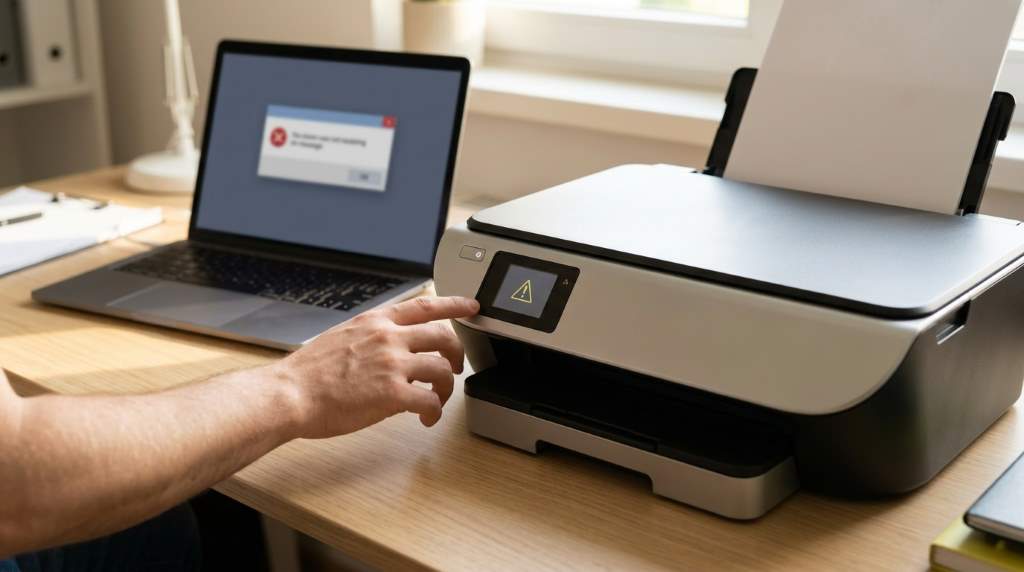
Begin by confirming that your wireless network works correctly on other devices. Next, verify your printer connects to the same WiFi network as your computer or mobile device.
A dual band router may broadcast separate 2.4 GHz and 5 GHz networks. Many wireless printers connect more reliably through the 2.4 GHz frequency.
Restart Every Connected Device
Restart your printer, router, and computer before making advanced changes. This simple process clears temporary network conflicts that frequently interrupt wireless communication.
Move the Printer Closer
Wireless signals weaken through walls, appliances, and furniture. Consequently, moving the printer closer to the router often improves connection stability.
Reconnect the Printer to WiFi Properly
Open the printer control panel and remove the existing wireless profile if available. Then reconnect using the correct network name and password while avoiding typing mistakes. Reading about office docs look broken also reminds users that many technical problems originate from incorrect device settings rather than hardware failures.
If your printer supports WiFi Protected Setup, follow the manufacturer’s instructions carefully. Otherwise, complete the manual wireless setup through the printer display or companion application.
Verify Network Security
Modern routers usually support WPA2 or WPA3 encryption for better security. Older printers sometimes require firmware updates before supporting newer encryption standards.
Install the Latest Printer Drivers
Drivers allow computers to communicate correctly with printer hardware. Therefore, outdated software frequently causes wireless detection problems.
Download the newest printer driver directly from the manufacturer’s support website. Afterwards, restart your computer before testing wireless printing again.
Remove Old Printer Entries
Delete duplicate printer profiles before installing updated software. Multiple printer entries sometimes confuse operating systems during wireless printing.
Update Printer Firmware
Firmware controls the internal functions of your wireless printer. Manufacturers regularly release updates that improve network compatibility and fix software bugs.
Many modern printers automatically check for firmware updates through WiFi. Otherwise, use the manufacturer’s software utility to install available updates safely.
Verify Computer Network Settings
Your computer should allow printer discovery across the local network. Therefore, ensure network discovery and file sharing remain enabled within your operating system.
Firewalls and antivirus software occasionally block printer communication. Temporarily disabling security software helps determine whether those programs cause connection problems.
Fix Common Wireless Printer Errors
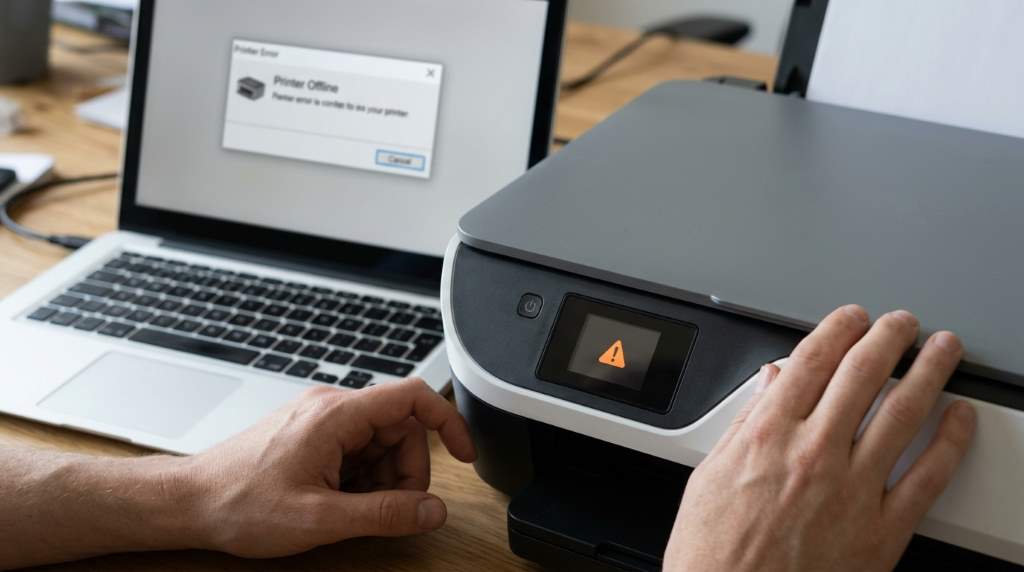
Printer Appears Offline
Open printer settings and confirm the correct wireless printer remains the default device. Afterwards, disable any option labelled Use Printer Offline.
Printer Not Found
Run the manufacturer’s printer detection utility to locate nearby wireless devices. Alternatively, manually enter the printer IP address if necessary.
Slow Printing Speed
Large files, weak wireless signals, and overloaded routers reduce printing performance. Printing smaller documents first helps identify whether file size causes delays.
Mobile Printing Problems
Ensure your smartphone connects to the same wireless network as the printer. Additionally, update the printing application before attempting another print job.
Reset Network Settings When Necessary
If every troubleshooting step fails, reset the printer’s network settings completely. Afterwards, perform a fresh wireless setup using the latest software and router credentials.
A factory network reset removes incorrect wireless profiles that sometimes remain hidden inside printer memory. Consequently, new connections usually establish more smoothly.
Prevent Future Wireless Printer Problems
Regular maintenance greatly improves long term wireless printing reliability. Furthermore, keeping software updated reduces compatibility issues after operating system updates.
- Install firmware updates regularly.
- Update printer drivers promptly.
- Keep your router firmware current.
- Use strong wireless passwords.
- Avoid placing printers behind thick walls.
- Restart networking equipment monthly.
When Professional Help Makes Sense
Persistent wireless failures may indicate hardware defects or advanced network configuration issues. Professional technicians can quickly identify damaged wireless adapters, router conflicts, or internal printer faults.
Businesses that depend on daily printing should resolve recurring issues immediately. Fast diagnosis reduces downtime while protecting employee productivity and customer service.
Conclusion
Wireless printer setup problems often have straightforward solutions when approached methodically. Checking the network, updating software, reconnecting the printer correctly, and maintaining firmware resolve many common issues.
Start with the simplest troubleshooting steps before replacing hardware or requesting repairs. If problems continue despite every recommendation, contact your printer manufacturer’s support team or a qualified local technician for professional assistance.
Frequently Asked Questions
Why does my wireless printer keep disconnecting?
Weak WiFi signals, outdated firmware, or router interference commonly cause repeated disconnections.
How do I reconnect my wireless printer after changing WiFi?
Remove the old wireless profile and complete the printer’s wireless setup using the new network credentials.
Should I update my printer firmware?
Yes, firmware updates improve security, stability, and compatibility with modern wireless networks.
Why is my printer showing offline?
Your computer may select an incorrect printer profile or enable the offline printing option.
Can antivirus software block wireless printing?
Yes, some security programs temporarily block printer communication until properly configured.
No Comments