
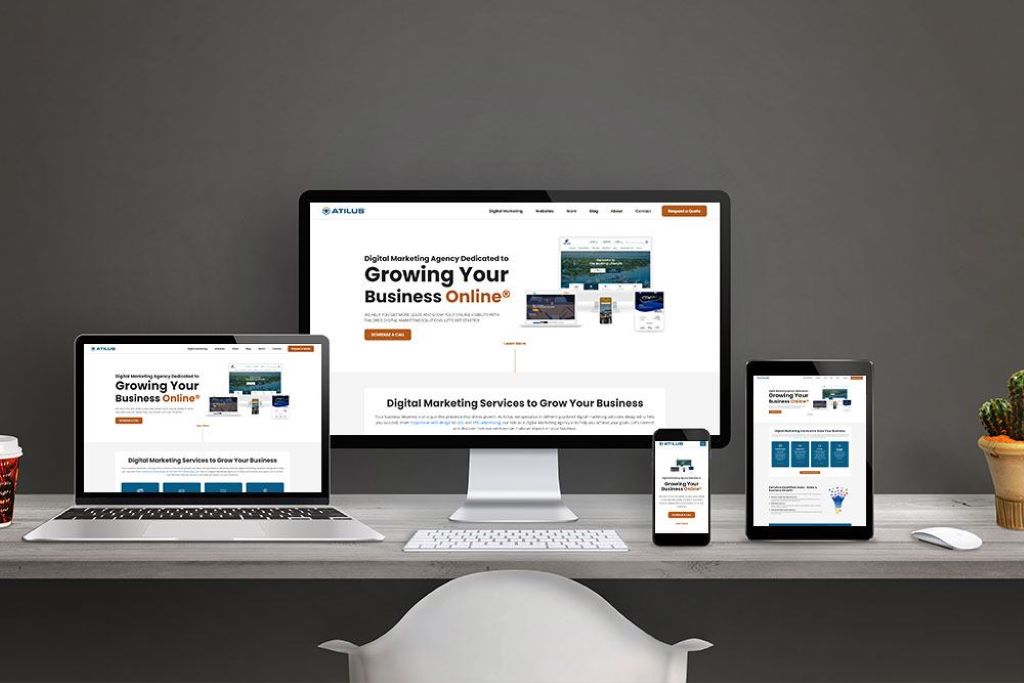
28 Apr How to Build a Responsive Website Using PHP in Florida (FL)
Florida’s digital landscape is booming. With over 22 million residents and a thriving tourism industry, businesses in the Sunshine State can’t afford a website that fails on mobile. Here’s the hard truth: 53% of users abandon a site if it takes more than three seconds to load. For Florida businesses, where competition is fierce, a slow or clunky website means lost revenue.
PHP remains one of the most powerful tools for building dynamic, responsive websites. It powers 77% of all websites with a known server-side language, including giants like Facebook and WordPress. But why PHP in Florida? The answer lies in its flexibility, cost-effectiveness, and ability to handle high traffic—critical for seasonal businesses in Miami, Orlando, or Tampa.
This guide will walk you through building a responsive PHP website tailored for Florida’s market. You’ll learn why responsiveness matters, how PHP fits into the equation, and actionable steps to ensure your site performs flawlessly on any device. Whether you’re a startup in Jacksonville or a hotel in Key West, these insights will help you stay ahead.
1. The Case for Responsive Web Design in Florida
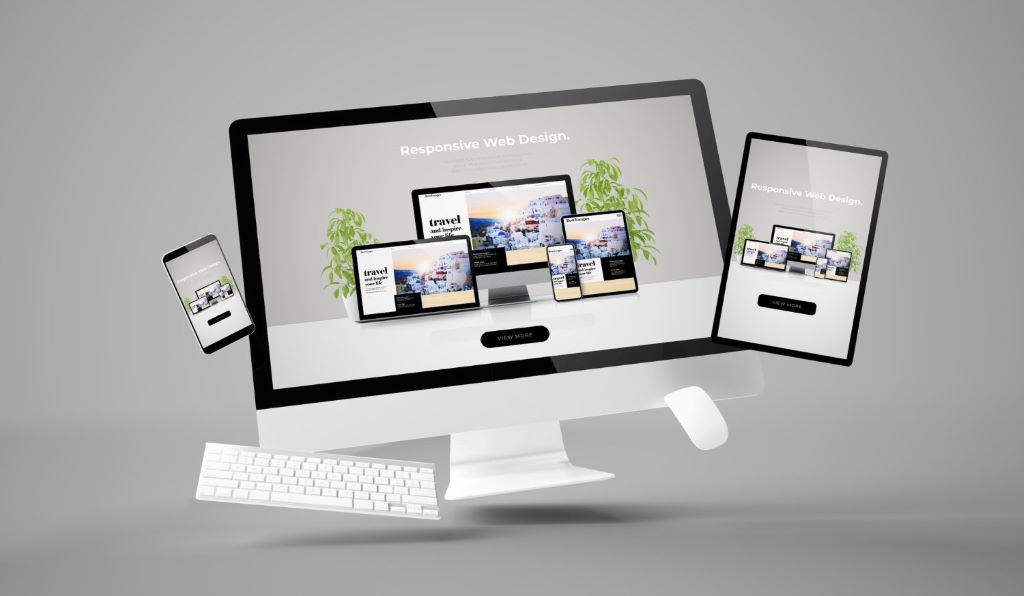
Florida’s mobile usage is 10% higher than the national average. Tourists and locals alike rely on smartphones to find businesses, book services, and make purchases. A responsive website adapts seamlessly to any screen size, ensuring users get the best experience whether they’re on a phone, tablet, or desktop.
Key Statistics:
- 65% of Florida’s online traffic comes from mobile devices.
- Google prioritizes mobile-friendly sites in search rankings, directly impacting your visibility.
- Non-responsive sites lose 30% of potential customers due to poor user experience.
Real-World Example: A Tampa-based restaurant chain saw a 40% increase in online reservations after switching to a responsive PHP site. Their bounce rate dropped from 50% to 12% within three months.
Expert Tip: Use Google’s Mobile-Friendly Test to check your site’s responsiveness. If it fails, prioritize fixes immediately.
2. Why PHP is the Ideal Choice for Florida Websites
PHP’s popularity in Florida stems from its scalability, affordability, and robust community support. Here’s why it’s perfect for local businesses:
- Cost-Effective: PHP is open-source, reducing development costs—a major plus for small businesses.
- Fast Performance: PHP 8.x offers 3x faster execution than older versions, crucial for high-traffic sites.
- Database Integration: Works seamlessly with MySQL, ideal for dynamic content like real estate listings or event calendars.
- Local Talent Pool: Florida hosts a growing number of PHP developers, making hiring easier.
Case Study: A Miami real estate agency migrated from static HTML to PHP. Their site load time improved by 60%, and property inquiries increased by 35%.
Pro Tip: Use Laravel or Symfony, two PHP frameworks, to streamline development and enhance security.
3. Step-by-Step Guide to Building a Responsive PHP Website
A. : Set Up Your Development Environment
- Install XAMPP or WAMP for local PHP testing.
- Use Visual Studio Code or PHPStorm for coding.
- Ensure your server supports PHP 8.x for optimal performance.
B. : Plan Your Site Structure
- Sketch a wireframe focusing on mobile-first design.
- Identify key pages: Home, About, Services, Contact, and Blog.
- Use Bootstrap 5 or Tailwind CSS for responsive grids and components.
C. : Write Mobile-First PHP Code
- Start with a fluid grid system to ensure flexibility.
- Use media queries in CSS to adjust layouts for different screens.
- Example:This tag ensures your site scales correctly on mobile devices.
D. : Optimize for Speed
- Compress images using TinyPNG or ImageOptim.
- Enable PHP opcache to speed up script execution.
- Minify CSS and JavaScript files with Gulp or Webpack.
E. : Test Rigorously
- Use BrowserStack to test on multiple devices.
- Check load times with Google PageSpeed Insights.
- Fix any render-blocking resources that slow down your site.
Expert Hack: Implement lazy loading for images to improve initial load times.
4. Common Pitfalls and How to Avoid Them
1: Ignoring Mobile Navigation
- Solution: Use a hamburger menu for mobile users. Ensure it’s intuitive and easy to access.
2: Overloading with Heavy Scripts
- Solution: Defer non-critical JavaScript loading. Use async attributes for external scripts.
3: Not Testing on Real Devices
- Solution: Test on iPhones, Androids, and tablets to catch layout issues.
4: Poor Image Optimization
- Solution: Use srcset in HTML to serve different image sizes based on device width.
Review from a Florida Developer:
“I see too many businesses skip mobile testing. It’s not enough to resize your browser window—real device testing is non-negotiable.”
— Carlos M., Web Developer, Orlando
5. Tools and Resources for PHP Development in Florida
- Frameworks: Laravel, Symfony, CodeIgniter
- Hosting: SiteGround, Bluehost (both offer PHP optimization)
- Design: Figma, Adobe XD (for prototyping responsive layouts)
- Performance: GTmetrix, Pingdom (for speed analysis)
Local Resource: Join Florida PHP User Groups on Meetup for networking and learning opportunities.
6. Success Stories: Florida Businesses Thriving with Responsive PHP Sites
Example 1: Orlando Tourism Site
- Challenge: High bounce rate on mobile.
- Solution: Redesigned with PHP and Bootstrap.
- Result: 50% increase in mobile bookings within six months.
Example 2: Fort Lauderdale E-Commerce Store
- Challenge: Slow load times during peak season.
- Solution: Upgraded to PHP 8.1 and optimized images.
- Result: Page load time dropped from 5s to 1.8s, boosting sales by 28%.
7. FAQs About Building Responsive PHP Websites in Florida
1. How much does it cost to build a responsive PHP website in Florida?
- Costs vary: $2,000–$10,000 for small businesses, $10,000–$50,000 for custom solutions.
2. Can I use PHP with WordPress for responsiveness?
- Yes! WordPress is built on PHP. Use responsive themes like Astra or Divi.
3. What’s the best PHP framework for beginners?
- Laravel offers extensive documentation and a supportive community.
4. How do I ensure my PHP site is secure?
- Use prepared statements to prevent SQL injection. Regularly update PHP and plugins.
5. Should I hire a Florida-based developer?
- Local developers understand regional trends and can provide hands-on support.
6. How often should I update my PHP site?
- Quarterly updates for security patches and performance tweaks.
7. What’s the biggest trend in Florida web development right now?
- Voice search optimization and AI-driven chatbots for enhanced user experience.
Related Topics:
Conclusion: Your Roadmap to a High-Performing PHP Website in Florida
Building a responsive PHP website in Florida isn’t just about coding—it’s about understanding your audience and delivering a seamless experience. Start with a mobile-first approach, leverage PHP’s power for dynamic content, and optimize relentlessly for speed and usability.
Your Next Step: Audit your current website. Is it truly responsive? If not, pick one area to improve today—whether it’s mobile navigation, image optimization, or upgrading to PHP 8.x.
Ready to dominate Florida’s digital market? Start building your responsive PHP website now and watch your engagement—and revenue—soar. 🚀
No Comments