
24 Dec High Tech Assistive Technology for Smart Rehabilitation
Modern technology is transforming how people recover from injuries and illnesses. Smart rehabilitation uses advanced tools to help patients regain mobility, strength, and independence. These innovations make therapy more effective and engaging. Moreover, they provide real-time feedback that improves outcomes for patients of all ages.
Understanding Smart Rehabilitation Technology
Smart rehabilitation combines traditional therapy with cutting-edge technology. These systems use sensors, software, and connected devices to track patient progress. Therefore, therapists can adjust treatment plans based on precise data rather than guesswork.
The goal is to make rehabilitation faster and more personalized. Patients benefit from customized programs that match their specific needs. Additionally, many technologies allow people to continue therapy at home between clinical visits.
According to CNN Health, technological advances in healthcare are making rehabilitation more accessible and effective for millions of patients worldwide.
Virtual Reality for Physical Therapy
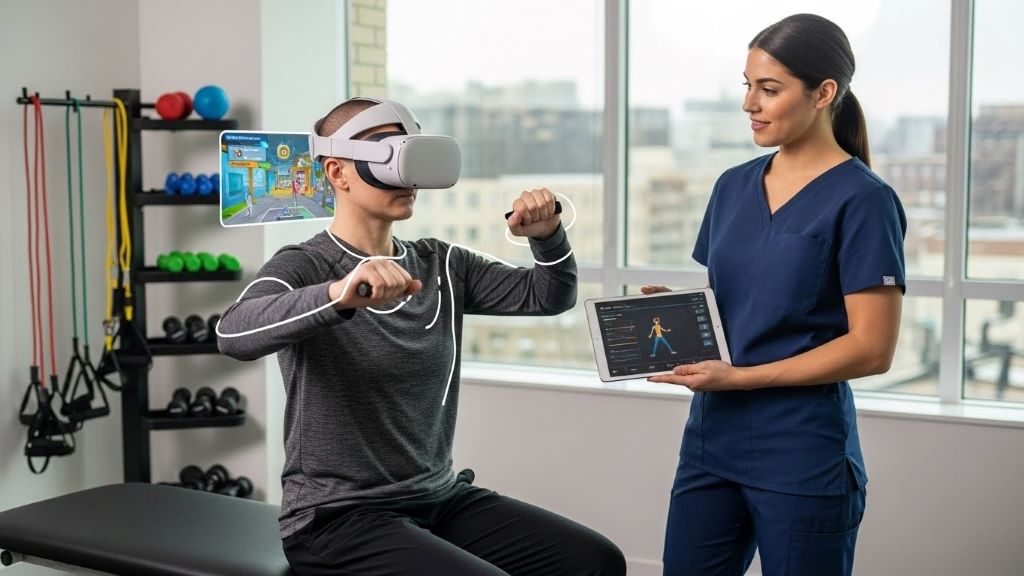
Virtual reality has revolutionized rehabilitation practices. Patients wear VR headsets that transport them into digital environments. These immersive experiences make therapy feel like a game rather than work.
VR systems track body movements with incredible precision. Patients might reach for virtual objects, walk through digital landscapes, or play interactive games. Meanwhile, the system measures range of motion, speed, and accuracy.
This technology works especially well for stroke recovery and balance training. Patients often exercise longer because VR makes therapy enjoyable. Furthermore, the technology can simulate real-world situations safely. Someone recovering from a fall can practice crossing a virtual street without any risk.
Therapists can adjust difficulty levels instantly. If a patient struggles, the program becomes easier. When progress occurs, challenges increase automatically. This adaptive approach keeps patients motivated throughout their recovery journey.
Robotic Exoskeletons and Mobility Devices
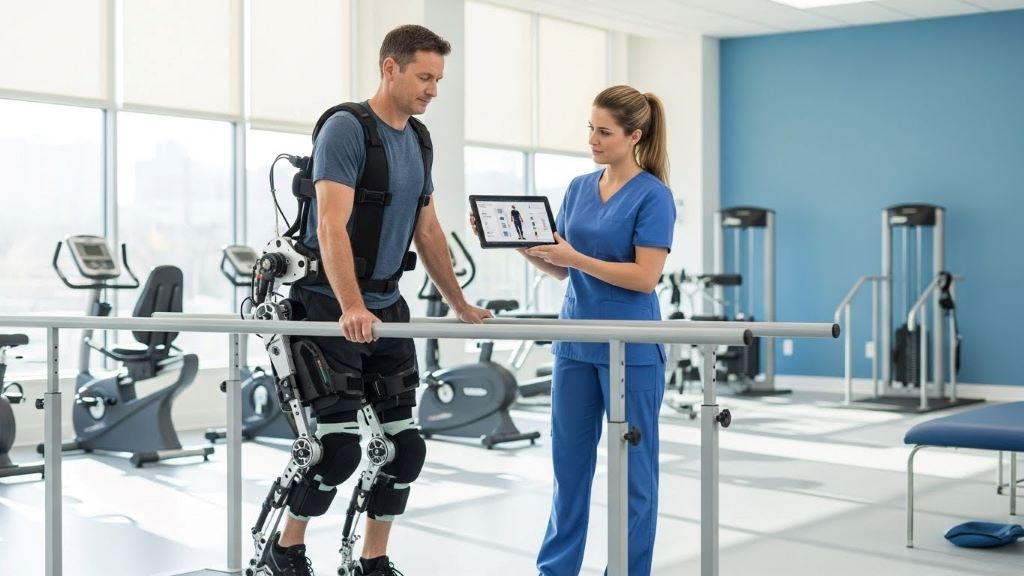
Robotic exoskeletons represent a major breakthrough in mobility rehabilitation. These wearable robots support patients who have difficulty walking. The devices attach to legs and provide mechanical assistance during movement.
Exoskeletons help people with spinal cord injuries, stroke, or severe weakness. Motors in the device move the legs in natural walking patterns. Consequently, patients can stand and walk even when their muscles cannot support them independently.
These robots do more than assist movement. They also retrain the nervous system through repetitive practice. Over time, some patients regain abilities they thought were lost forever. The technology provides hope for people with serious mobility challenges.
Smaller robotic devices target specific joints. Robotic gloves help people regain hand function after stroke. Ankle robots assist with foot drop problems. Each device focuses on particular rehabilitation needs.
Smart Sensors and Wearable Technology
Wearable sensors bring rehabilitation monitoring into everyday life. These small devices track movement, posture, and activity levels throughout the day. Patients wear them on wrists, ankles, or clothing.
The sensors collect data continuously and send it to smartphones or computers. Therapists review this information to understand how patients move outside the clinic. This insight reveals problems that might not appear during therapy sessions.
Smart sensors also provide instant feedback to patients. A device might vibrate when posture becomes poor. Another sensor could alert someone to take a walking break after sitting too long. These reminders help people maintain healthy habits between therapy appointments.
Activity trackers measure steps, distance, and exercise intensity. This data shows whether patients are following home exercise programs. Therefore, therapists can encourage consistency and celebrate progress with concrete evidence.
Functional Electrical Stimulation Systems
Functional electrical stimulation uses controlled electrical pulses to activate muscles. Small electrodes attach to the skin over specific muscles. The device then sends signals that cause muscles to contract.
This technology helps people with paralysis or severe weakness. The electrical signals bypass damaged nerves and directly stimulate muscle fibers. Patients can perform movements that would otherwise be impossible.
Advanced FES systems respond to patient intention. Sensors detect when someone tries to move. The system then triggers the appropriate muscles at the right time. This coordination allows for natural-looking movements during walking or reaching.
FES technology also prevents muscle atrophy. Regular electrical stimulation maintains muscle size and strength. Additionally, it improves blood circulation and reduces complications from prolonged immobility.
Modern systems are portable and discreet. Patients can wear them under clothing during daily activities. This convenience makes therapy a natural part of life rather than a separate obligation.
Telerehabilitation Platforms
Telerehabilitation connects patients with therapists through video technology. These platforms allow therapy sessions to happen anywhere with internet access. Remote rehabilitation became especially important during recent years.
Video sessions work well for many therapy types. Therapists can observe movements, provide instructions, and offer encouragement in real time. Patients demonstrate exercises while therapists watch and give feedback.
Many platforms include built-in exercise libraries. Patients access videos demonstrating proper technique for each movement. The system tracks which exercises were completed and for how long. Subsequently, therapists review this data before the next session.
Telerehabilitation removes transportation barriers. Elderly patients or those with limited mobility avoid difficult trips to clinics. Rural residents access specialist care without traveling long distances. This accessibility ensures more people receive consistent rehabilitation services.
According to Forbes, telehealth and remote rehabilitation services have expanded significantly, making quality care more accessible to diverse populations.
Artificial Intelligence in Treatment Planning
Artificial intelligence analyzes vast amounts of rehabilitation data. These systems identify patterns that humans might miss. Consequently, AI helps create more effective treatment plans for individual patients.
Machine learning algorithms predict recovery timelines based on patient characteristics. They consider age, injury type, overall health, and progress rate. These predictions help set realistic goals and manage expectations.
AI systems also recommend exercise modifications. If a patient struggles with certain movements, the software suggests alternatives that target the same muscles differently. This personalization optimizes every therapy session.
Computer vision technology watches patients perform exercises. The system detects incorrect form and provides immediate corrections. Patients learn proper technique faster with this instant feedback. Moreover, they avoid developing bad habits that could slow recovery.
Gaming Technology for Rehabilitation
Video game technology makes rehabilitation more engaging for all ages. Patients use motion controllers, balance boards, or full-body sensors to interact with games. Physical movements control game characters and actions.
Gaming systems measure precise movements during play. A patient might swing a virtual tennis racket or steer through an obstacle course. These activities exercise specific muscle groups while feeling like entertainment.
Competition and achievement systems motivate continued participation. Players earn points, unlock levels, and compete with previous scores. This gamification approach encourages patients to exercise more frequently and for longer periods.
Therapists customize games to match rehabilitation goals. Someone recovering from shoulder surgery plays games requiring overhead reaching. A person with balance problems practices weight shifting through side-to-side movements. Each game becomes a targeted therapeutic exercise.
Brain-Computer Interfaces
Brain-computer interfaces represent the frontier of rehabilitation technology. These systems read brain signals and translate them into commands for external devices. Patients control cursors, robotic arms, or communication devices with thoughts alone.
BCI technology helps people with severe paralysis communicate and interact with their environment. Sensors detect electrical activity in the brain. Sophisticated software interprets these signals and executes corresponding actions.
For rehabilitation, BCIs help retrain neural pathways. Patients think about moving a paralyzed limb. The computer detects this intention and triggers functional electrical stimulation or robotic assistance. This practice strengthens weakened brain-muscle connections.
Research shows that mental practice combined with physical assistance can improve recovery outcomes. The brain learns to activate muscles again through repeated attempts. Over time, some patients regain voluntary movement they previously lost.
Smart Home Modifications
Smart home technology supports rehabilitation beyond traditional therapy. Voice-activated systems allow people with limited mobility to control lights, temperature, and entertainment. These modifications promote independence during recovery.
Automated medication dispensers ensure patients take prescriptions on schedule. Smart pill bottles track when medication is removed. The system sends reminders if doses are missed. This monitoring prevents complications from missed medications.
Environmental sensors detect falls or unusual inactivity patterns. Emergency alerts notify caregivers or medical professionals if problems arise. This safety net provides peace of mind for patients living independently.
Smart furniture adjusts to support different therapeutic positions. Beds raise and lower automatically. Chairs provide powered assistance for standing. These modifications reduce strain and allow people to move safely throughout their homes.
Data Integration and Progress Tracking
Modern rehabilitation technologies generate enormous amounts of data. Integration platforms combine information from multiple devices and systems. Therapists see a complete picture of patient activity and progress.
Comprehensive dashboards display trends over time. Graphs show improvements in range of motion, strength, balance, and endurance. This visualization helps patients understand their recovery trajectory.
Data sharing between healthcare providers improves care coordination. Physical therapists, doctors, and specialists all access the same information. Therefore, treatment plans remain consistent across different providers.
Patients also benefit from reviewing their own data. Mobile apps show daily progress toward goals. This transparency increases motivation and adherence to therapy programs. People feel more invested in their recovery when they see measurable results.
Overcoming Technology Barriers
Despite benefits, some patients struggle with new technology. Age, limited tech experience, or cognitive challenges create obstacles. Therefore, successful implementation requires proper training and support.
Device interfaces must be intuitive and user-friendly. Clear instructions, large buttons, and simple menus help people of all abilities. Technical support should be readily available when problems arise.
Cost remains a significant barrier for many patients. Insurance coverage for high-tech rehabilitation varies widely. However, as technologies become more common, costs gradually decrease and accessibility improves.
Some people prefer traditional hands-on therapy. Technology should complement rather than replace human interaction. The best rehabilitation programs combine high-tech tools with personal guidance from skilled therapists.
Future Developments in Rehabilitation Technology
Emerging technologies promise even more impressive capabilities. Augmented reality systems will overlay digital information onto the real world. Patients might see proper exercise form demonstrated in their actual environment.
Nanotechnology could enable microscopic sensors implanted in muscles or joints. These devices would provide unprecedented detail about tissue healing and movement patterns. Such precision would revolutionize treatment customization.
5G networks will make real-time remote rehabilitation even more effective. High-speed connections eliminate lag during video sessions. Therapists could control robotic devices from anywhere in the world.
Personalized 3D-printed orthotics and assistive devices will become commonplace. Scanners capture exact body measurements. Printers create custom equipment perfectly fitted to each patient. This individualization improves comfort and effectiveness.
Conclusion
High-tech assistive technology is transforming smart rehabilitation in remarkable ways. Virtual reality, robotic exoskeletons, smart sensors, and artificial intelligence make therapy more effective and engaging. These innovations provide personalized treatment plans, real-time feedback, and continuous monitoring that improve patient outcomes. Telerehabilitation platforms increase accessibility, while gaming technology motivates consistent participation. Brain-computer interfaces and smart home modifications support independence during recovery. As technology continues advancing, rehabilitation will become increasingly precise and successful. The future of recovery lies in combining human expertise with powerful digital tools that help patients achieve their maximum potential.
Frequently Asked Questions
What is smart rehabilitation technology?
Smart rehabilitation technology uses advanced digital tools to enhance physical and cognitive recovery. These systems include virtual reality, robotic devices, sensors, and software that track progress and provide personalized feedback. The technology makes therapy more effective, engaging, and measurable.
How much does high-tech rehabilitation equipment cost?
Costs vary widely depending on the technology type. Consumer devices like gaming systems cost a few hundred dollars, while clinical robotic exoskeletons cost tens of thousands. Insurance coverage differs by provider and technology. Many clinics offer high-tech rehabilitation without additional patient costs.
Can elderly patients use advanced rehabilitation technology?
Yes, many elderly patients successfully use rehabilitation technology. Devices are designed with intuitive interfaces and clear instructions. Proper training and ongoing support help seniors overcome initial learning curves. Many older adults find technology-assisted therapy more engaging than traditional methods.
Is virtual reality rehabilitation as effective as traditional physical therapy?
Research shows VR rehabilitation can be equally or more effective than traditional methods for certain conditions. The immersive nature increases patient engagement and practice time. However, VR works best when combined with hands-on guidance from trained therapists rather than as a complete replacement.
Does insurance cover high-tech assistive rehabilitation devices?
Insurance coverage varies by provider, policy, and specific device. Many insurers cover medically necessary equipment prescribed by healthcare providers. Telerehabilitation services gained broader coverage recently. Contact your insurance company to understand your specific benefits and coverage limitations.
Related Topics:
In Software Engineering: When is the Feasibility Study Carried Out?
What is the Difference Between 2-Stage and 3-Stage Matte Box?
No Comments